
India's Prime Minister Narendra Modi is aggressively positioning the country as one of the world's leading hubs for artificial intelligence.
In February 2026, the CEOs of Google, OpenAI and Anthropic mingled with India's business titans at the AI Impact Summit in New Delhi. The gathering attended by more than 500,000 people in person and online was Modi's chance to pitch India as an emerging AI powerhouse in the Global South.
"Design and develop in India," Modi said. "Deliver to the world. Deliver to humanity."
Microsoft, Amazon, Google and Meta have already pledged billions to build data centers in the country. At the summit, OpenAI joined the chorus, announcing a joint venture with Tata Group, India's largest conglomerate, to build more data centers and train workers to use AI. Adani Group, owned by the second-wealthiest man in India, pledged to invest $100 billion to develop hyperscale data centers powered by renewable energy.
Both Indian and foreign companies are being rewarded handsomely for their investments. Data center projects receive deep concessions on land and electricity. Ahead of the summit, Modi's government announced new tax breaks allowing foreign companies building data centers to defer taxes until 2047.
Yet, across India, from Mumbai to Chennai, the unbridled growth comes with a high cost borne by the country's most vulnerable communities. Low-income Dalit families say they are being evicted or pressured to sell their land as data centers arrive in town.
The government has postponed plans to retire aging power plants and approved dozens of new coal-fired plants, in part to meet demand from data centers. Data centers are guaranteed uninterrupted power and water supply, even as poor communities nearby struggle to get regular access to running water.
While every proposed data center must go through an environmental review, experts say it amounts to little more than rubber-stamping. Each project is appraised independently and they claim there is no cumulative assessment of their environmental footprint — no accounting of the combined pressure on water, power, land, or local ecosystems.
Dalit communities displaced
Real estate developers across India are cashing in — diverting large tracts of land to build data centers — the fastest-growing commercial real estate segment in India.
Developers receive generous government subsidies and incentives, such as fast-tracked approvals, flexible zoning rules, and exemptions from rules requiring developers to build affordable housing alongside new developments.
Nowhere is this more apparent than in Mumbai, one of the world's most unaffordable cities, where half the population lives in informal settlements, or slums. Here, data centers are adding to an already fierce competition for land, exacerbating an already acute affordable housing crisis.
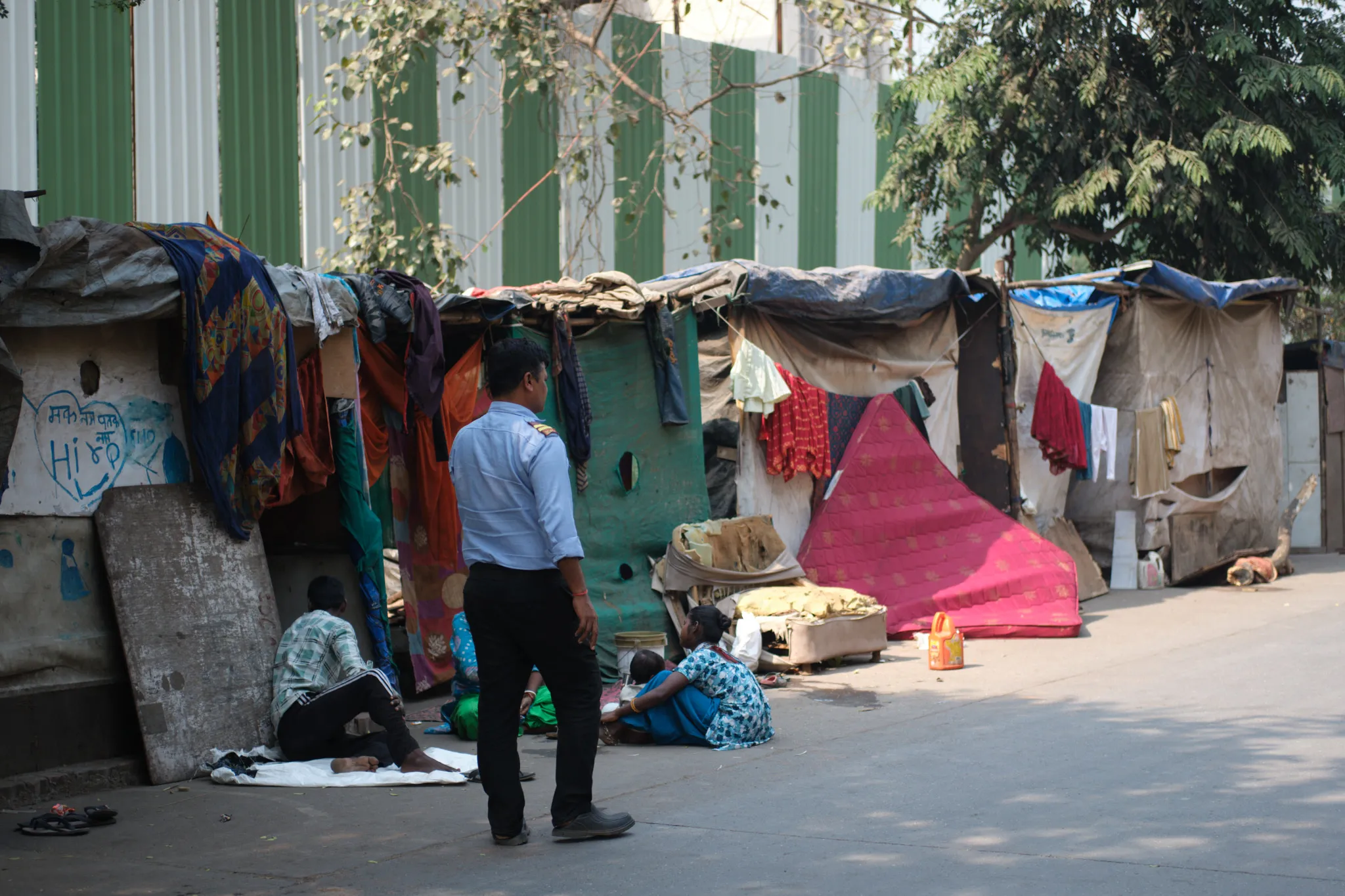
In June 2024, at the beginning of monsoon season, bulldozers rolled into Jai Bhim Nagar, a settlement of around 650 mostly Dalit households.
The community began in the late 80s when construction workers built informal housing near their worksite at Hiranandani Gardens, a sprawling township developed by one of Mumbai's wealthiest real estate companies.
Shrimati Chauhan, who has lived there for more than 30 years, said she and her husband and their son were dragged out of her home by local authorities. Hundreds of their neighbors were also evicted. By evening, the entire settlement had been reduced to rubble.
The Hiranandani Group, the developer, is rapidly expanding its data center business and plans to construct a new data center inside the township.
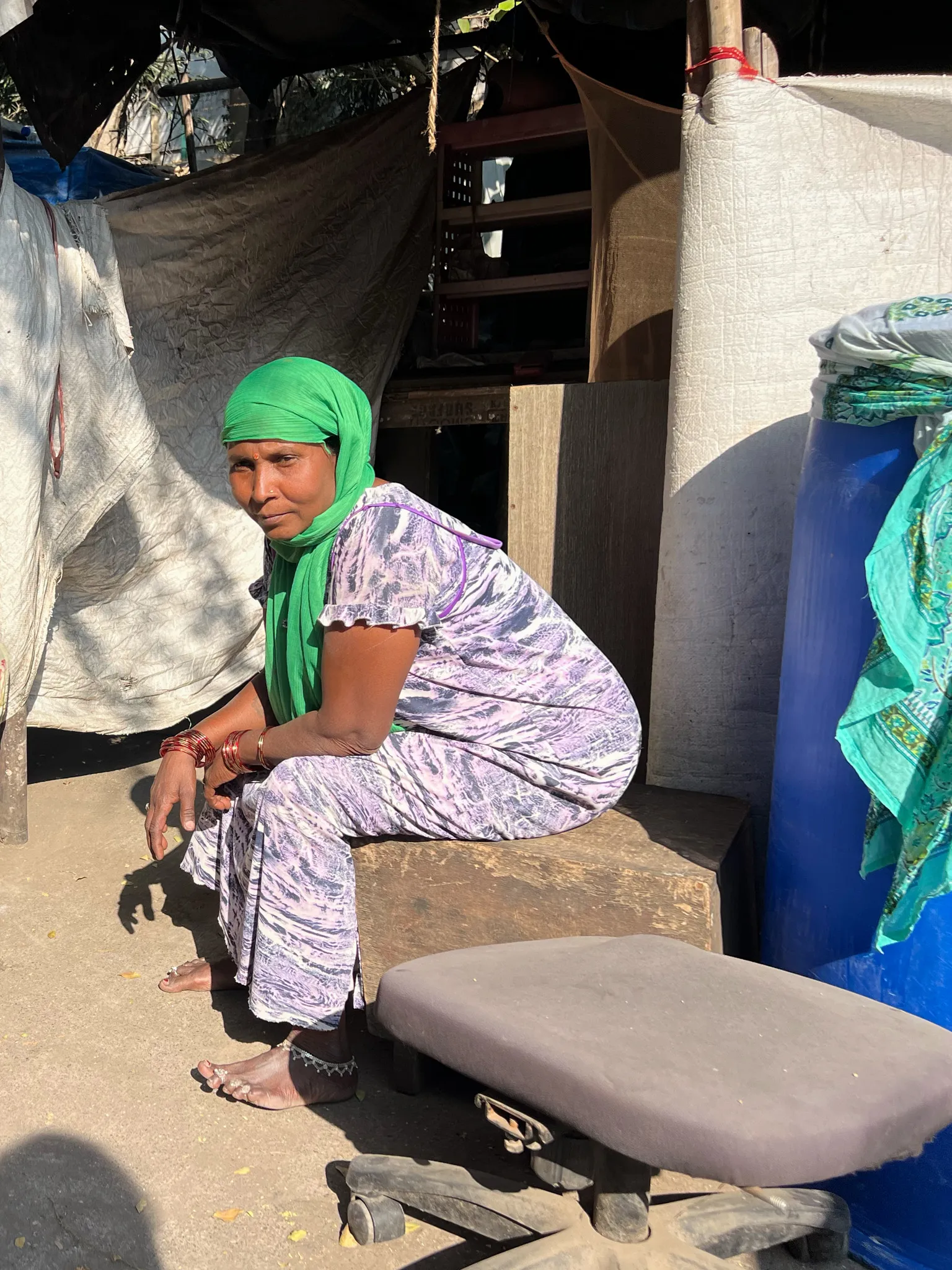
Chauhan, a member of a Dalit caste, one of India's most vulnerable groups, said she was beaten, arrested and jailed for several days. Her son, Shiv Sagar, was injured during the eviction and now walks with a limp.
News reports show more than 200 residents were charged for pelting stones at authorities; at least 57 people were arrested.
In the days following the demolition, 28 residents filed a criminal petition with the Bombay High Court, challenging their eviction. Special investigators appointed by the court later found that the government commission that ordered the demolition had no authority to do so and that the operation violated laws prohibiting evictions during the monsoon season. The case is ongoing.
Most residents have left the area, but Chauhan and her family remain, building a makeshift home held together by bamboo poles and plastic sheets.
"I will not leave my land even if they kill me," she said. "If we disperse, we lose everything — that's what they want. But we won't budge."
Last fall, Google announced its largest data center outside the United States — a massive 1 gigawatt (GW) campus near Visakhapatnam, a port city in Andhra Pradesh, along the Bay of Bengal. Google has pledged $15 billion over five years to transform the area into a massive AI hub, with subsea and fiber optic cables linking India to Singapore, South Africa, Australia, and the U.S.
Seemingly overnight, Tarluvada, a village known for its marigolds, jasmine and roses as well as cashew and teak plantations, was renamed "Tarluvada IT Hub and Data Center Hub" on Google Maps.
Google is working with the state government to acquire 480 acres of land across three locations. In Tarluvada, 200 acres earmarked for the project belong to Dalit families who said they are under pressure to sell to the government.
Pyla Kondamma, a farmer and former head of the village council, said she will not give up her land — neither the Andhra Pradesh government nor Google can force her to. "We are not afraid — even if they kill us, we will not give it away," she said.
"They are not touching land owned by dominant castes," she added. "Only Dalit land."
Kondamma is a member of a Dalit caste — the social group that is least likely to own land in India. In Visakhapatnam district, 68% of Dalit households do not own any land. In the 1970s, the state allotted land to some landless Dalit families through a special program that granted roughly two acres per household. This land is now being acquired by the government for the Google project.
Growing dependence on coal
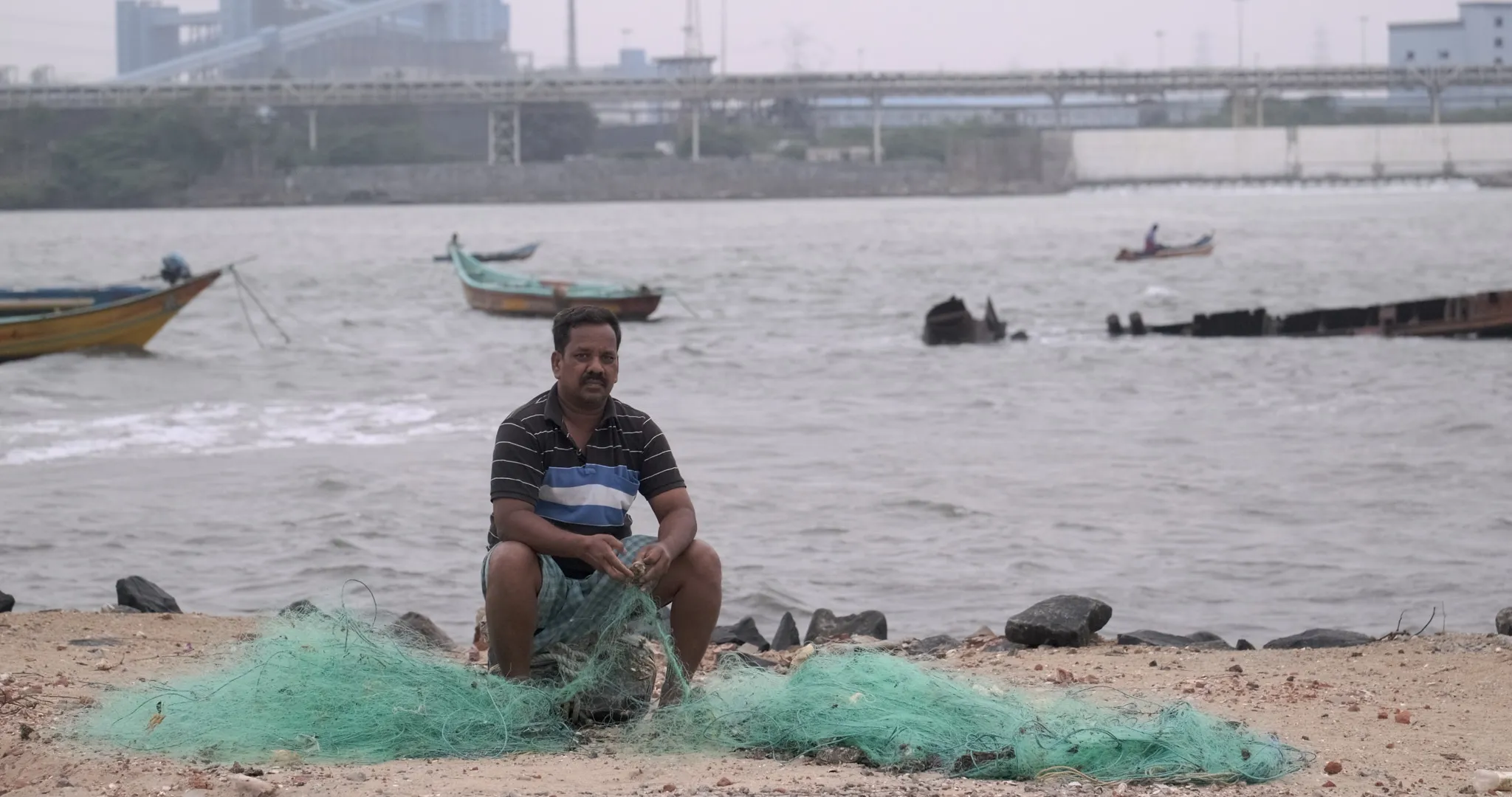
In Kattukuppam, a fishing village in Ennore on the outskirts of Chennai, residents have lived in the shadows of coal-fired power plants since the 70s.
For decades, the power plants' fumes sullied the air while hot water and chemical waste polluted the surrounding river and the sea. As fish catches dwindled, fishermen had to find other ways to make money. Residents say the pollution also affected their health, prompting higher instances of cancer and infertility in their community.
In 2017, an aging power plant was shut down, much to the residents' relief.
But the reprieve was temporary. In 2025, the government announced it was opening a new power plant on the grounds of the old facility to help fuel "power-hungry industries" such as data centers and electric vehicles. The state will face an energy deficit until 2035, according to India's Central Electricity Authority.
Data centers powering AI require massive amounts of power around-the-clock. In the years since artificial intelligence has taken hold, the Indian government has deferred plans to retire aging coal-fired power plants and approved 44 new coal power plant projects. In Mumbai, authorities have added more coal-based power to the city's energy mix to meet growing demand from data centers.
Residents in Ennore have voiced their concerns about the new power plant. They said children in their community have higher rates of cancer and respiratory illnesses compared to other parts of the city.
They were ignored.
Currently, one power plant in the neighborhood is in the process of being expanded, while two new facilities are at various stages of construction.
A 2025 report by the Save Ennore Creek Campaign cautioned that air quality would deteriorate sharply if all three new plants became operational. Air pollutants from coal-fired power plants are twice as deadly as those from other sources, according to a Harvard study published in the Nature journal. Another study found that people living near coal-fired power plants are more at risk of developing cancer, especially lung, liver and bladder cancers.
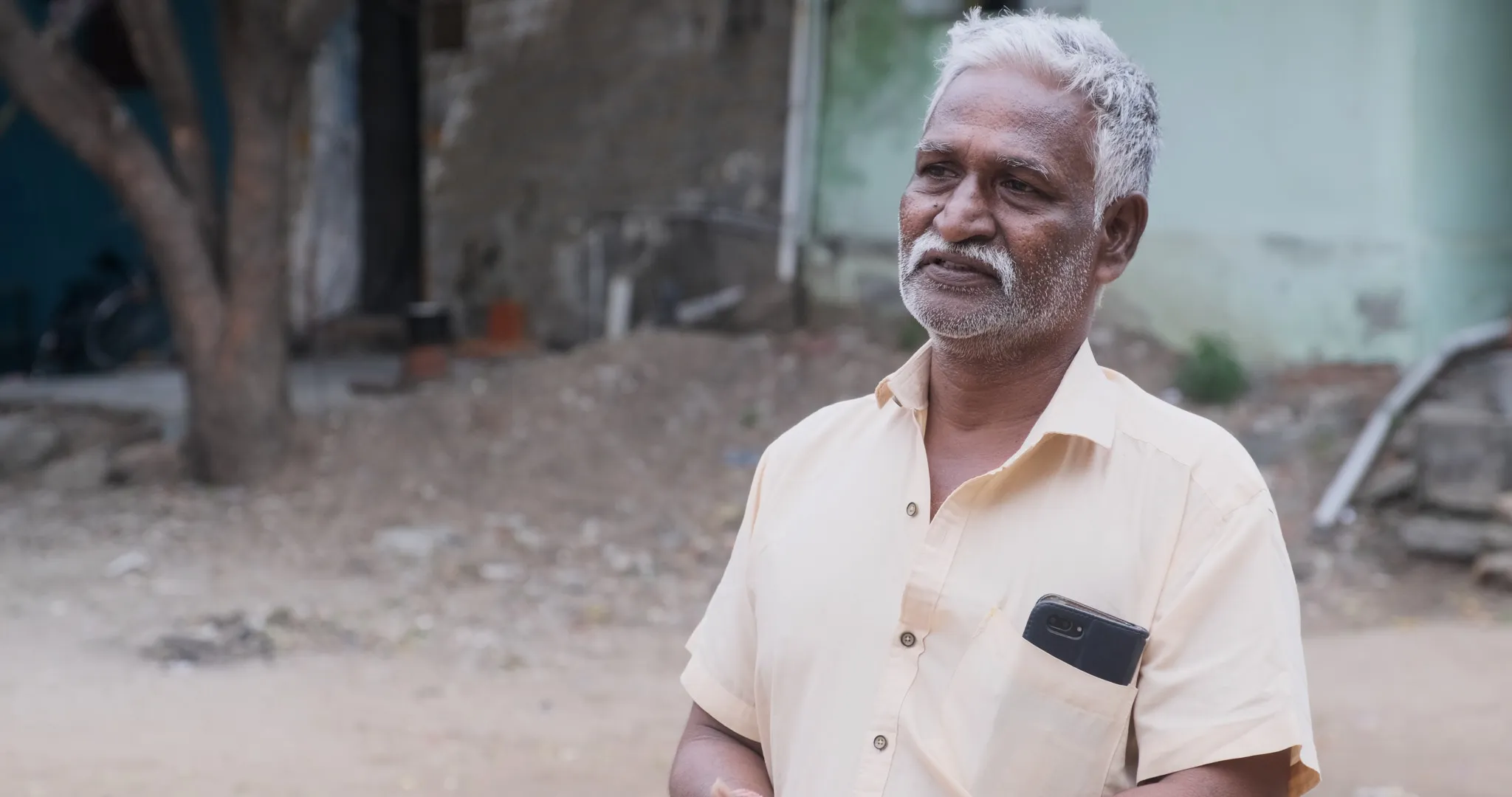
"They are putting power plants one after the other, without checking what it's doing to us," said K. Saravanan. "They have taken everything from us — our income, our health, our peace. And now they are coming with more."
Further information
If you would like to learn more about the community response discussed in this article, you can find additional information from the Stop Vizag Data Center campaign.
This link is provided for readers seeking further context. The Environmental Reporting Collective provides it as a source of additional information, and is not personally involved with any organisation or campaign.