
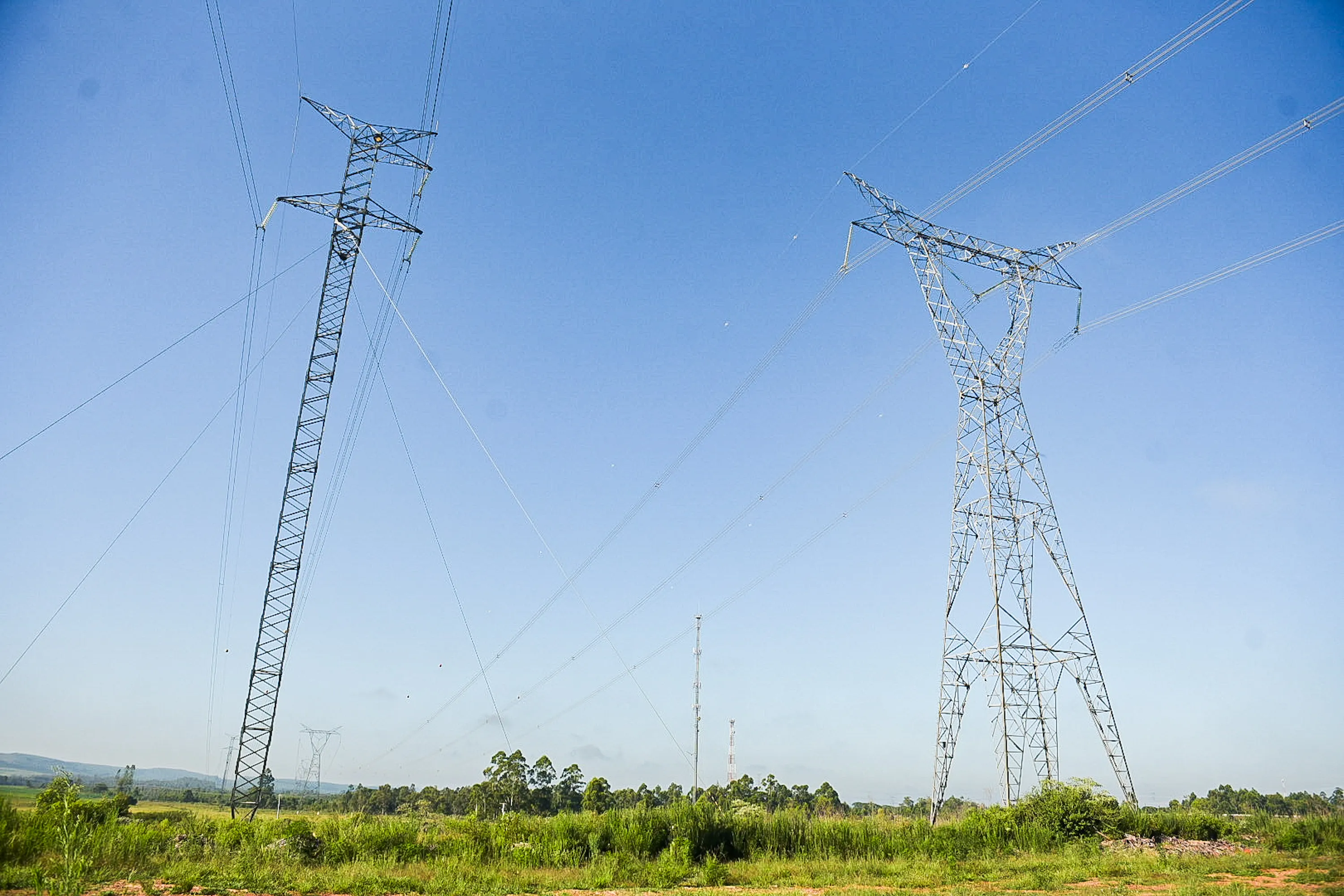
In Eldorado do Sul, southern Brazil, an "AI City" data center complex has become a test case for how Brazil's power system will accommodate a new generation of energy-intensive digital infrastructure.
Announced in 2024, the project by US-linked hyperscale platform Scala Data Centers is designed to deliver up to 4.75 gigawatts (GW) across a 5 million-m² campus, positioning it as South America's largest gigawatt-scale data center.
Scala is saying it has received approval from Brazil's Ministry of Mines and Energy for a ramp-up of up to 5 GW to the National Interconnected System (SIN) — which media has described as the largest energy authorization ever granted to a data center in the country.
For context, 5 GW exceed the installed capacity of Brazil's largest dam, the Jirau hydroelectric plant. This Amazonian giant, built on the Madeira River, generates electricity for more than 40 million people.
However, the ERC found that the ministry's current authorisation only stands at 1.8 GW. For residents in and around Eldorado do Sul — a region long affected by grid instability — the question is how such demand would be accommodated in practice.
Brazil's Ministry of Mining and Energy estimated that the AI City project, at full scale, would add demand equivalent to roughly 20% of the southern region's current peak load. It is an energy volume "greater than the consumption of the entire state of Rio de Janeiro," added the Rio Grande do Sul government, in which Eldorado do Sul is located.
To local resident Úrsula Silva Pedroso, 48, the prospect is "awful."
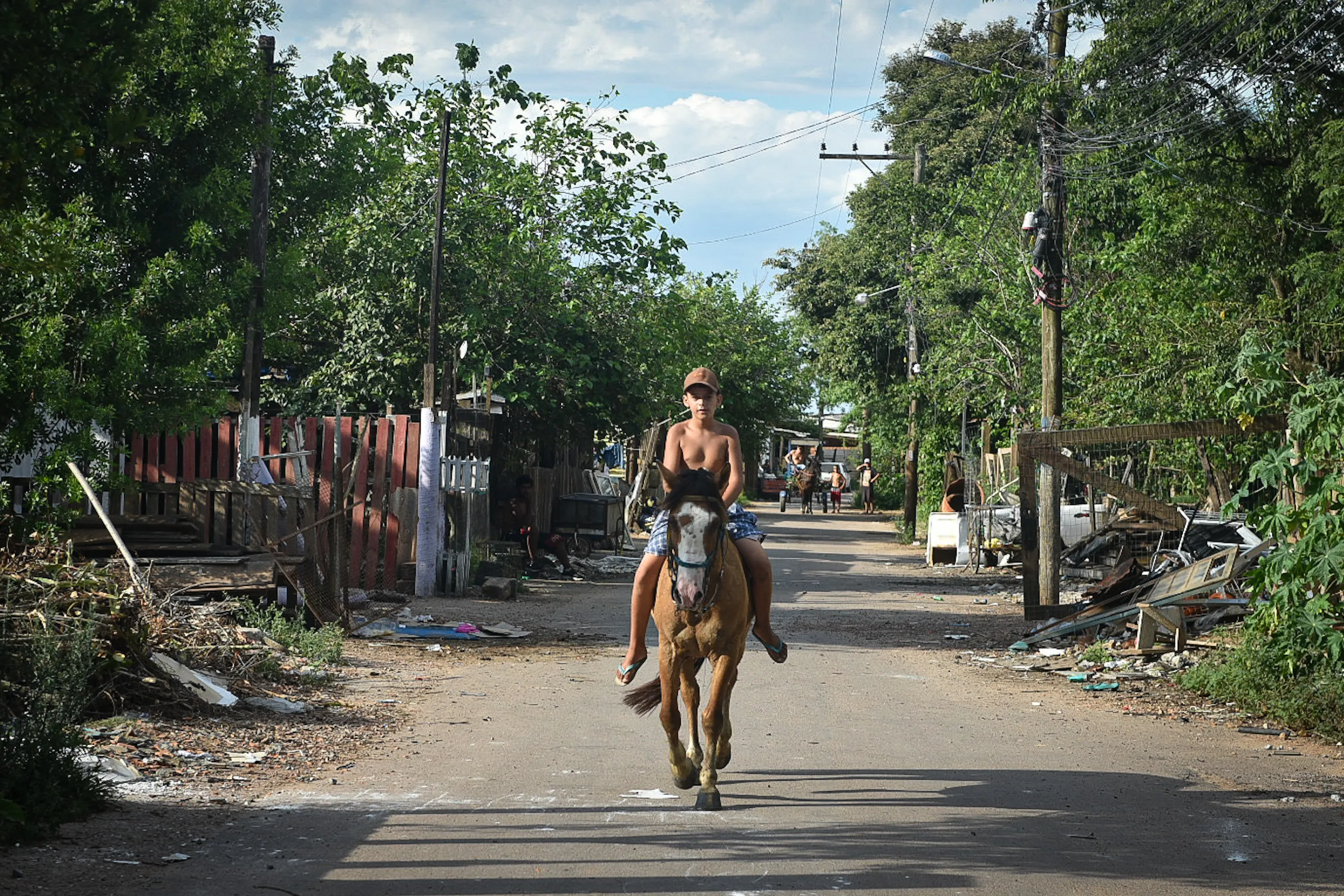
"The power goes out all the time, on and off several times throughout the day," she said when approached, seated in front of a barber shop downtown with friends.
In the rural part of the city, the impressions are the same. In Guaiba City village, residents recently staged a 14-day protest, blocking a road to pressure public authorities to act on the regular electricity cuts. "We are losing (use of) all our household devices," said Sirlei Souza, 62, who has lived in the village for over 30 years.
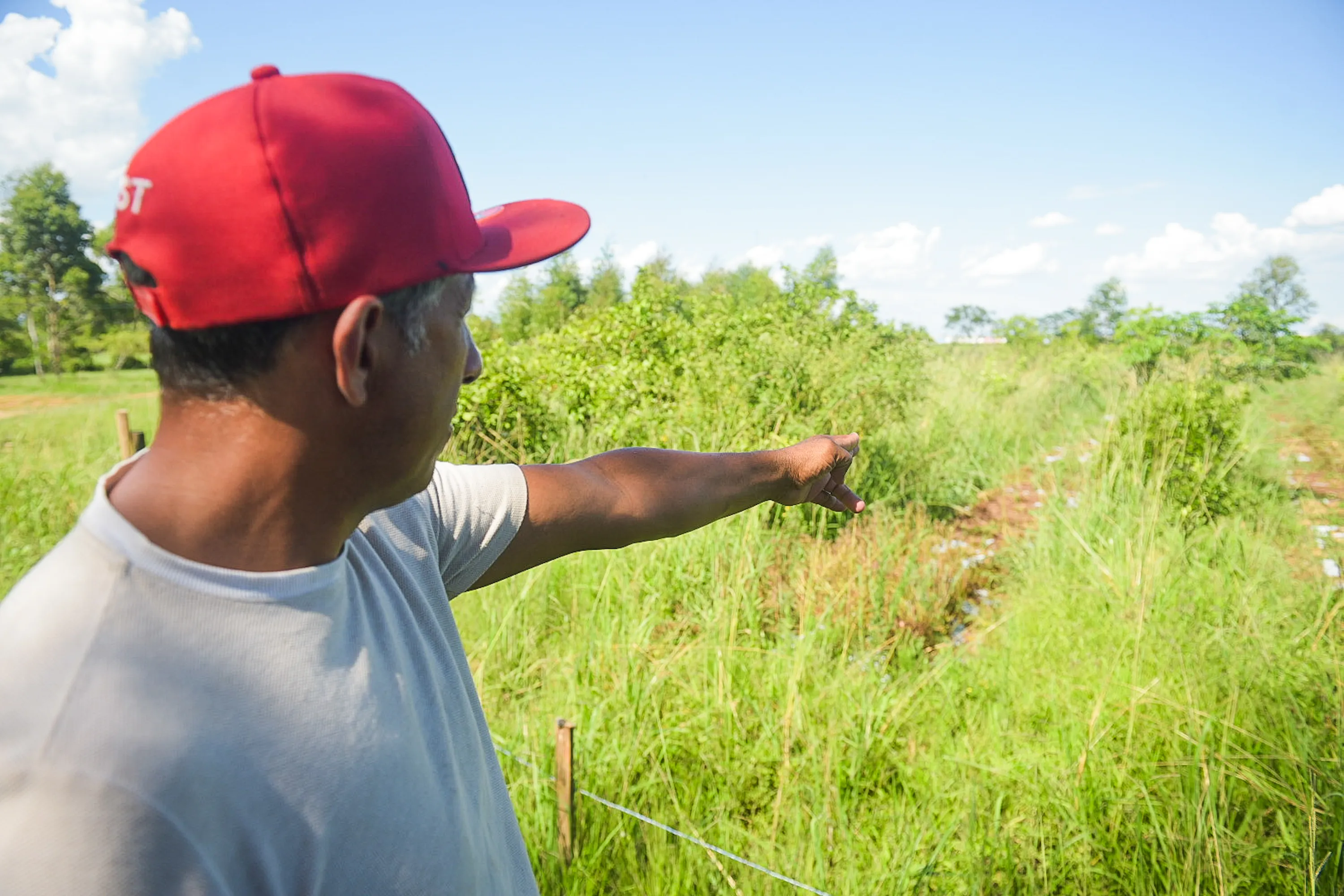
At a settlement run by the Landless Workers' Movement, a social movement in Brazil advocating land reform, farmers are already organizing to build their own power station, as rice cultivation depends heavily on electrically powered irrigation pumps.
"Abundant supply" of power
Yet Scala is painting a different picture. It has claimed the campus is powered by 100% renewable energy and connected to the national grid.
It selected Eldorado do Sul due to its proximity — roughly 0.6 miles — to an "underutilized yet fully operational power substation" offering "abundant power supply".
"This critical advantage not only accelerates deployment timelines but also reduces initial electrical infrastructure investments while guaranteeing sufficient capacity to meet the high-energy demands of a large-scale AI hub," the company said.
Further, as the majority of the substation capacity would remain unused, the company alleged that the large-scale project would not affect the city's or neighbouring municipalities' electricity supply — a claim that experts the ERC spoke to described as doubtful.

Gustavo Cassel, a former employee of the local power company, said such a heavy load could "destabilize the entire system and therefore could interfere with power quality, causing greater fluctuations."
The Brazilian Institute for Consumer Defense (IDEC), meanwhile, warns in a study that large-scale data centers could be linked to local power supply disruptions and rising electricity costs, creating what it describes as a "worrying scenario" — particularly in regions already grappling with energy distribution challenges.
"To include a new, very large load in the system, investments must be made so the networks can support transmission — and these costs are passed on to all consumers through their electricity bills," said IDEC energy coordinator Lourenço Henrique Moretto. Regarding the disruptions, he warns that they can be prevented if the authorities manage the system correctly.
Scala had refused this, insisting its campus was designed from the outset to maximize energy efficiency and eliminate impacts on water resources and prices.
"This architecture ensures that the project will not compete with domestic, agricultural, or industrial [water] uses and reflects an approach to sustainability applied to engineering, not just rhetoric." It added that there will also be no cost impact on the population.
"Rare" renewable electricity matrix
Critics have also poured cold water on Scala's 100% renewable energy claim.
According to the hyperscaler's 2024 sustainability report, all operations have been powered by 100% certified renewable energy "since day one", ensuring zero Scope 2 emissions. Scope 2 emissions are indirect greenhouse gas emissions produced from purchased electricity, including cooling.
Julia Catão Dias, one of IDEC's programme coordinators, said that while Scala holds renewable energy supply contracts, the data center must still connect to the national grid, as there is no way to guarantee that the electricity it receives is generated exclusively from renewable sources.
The National Interconnected System (SIN) underpins Brazil's power grid, linking energy sources — including hydroelectric, thermoelectric, wind, solar and nuclear — to maintain a diversified supply mix.
However, renewable sources alone are not yet able to provide stable, round-the-clock baseload power nationwide, requiring the activation of coal-fired thermal plants to maintain grid stability. In Rio Grande do Sul, coal accounts for 22% of electricity generation, making it the state's second-largest source after hydroelectric power at 48%.
In its 2024 report, Scala said it consumed 1,016 kilolitres of diesel to power backup generators at its various facilities, which it described as "essential to maintaining availability during natural disasters and other critical events."
The company added that it is testing the feasibility of using hydrotreated vegetable oil (HVO) biodiesel — a synthetic paraffinic diesel also known as renewable diesel — to power backup generators at several sites.
Responding to the ERC, the Rio Grande do Sul government said Eldorado do Sul was selected due to a combination of strategic structural factors it describes as "rare in Brazil" — including a predominantly renewable electricity matrix, a robust transmission system and the immediate availability of large-scale energy supply.
The state said the first project is a private investment estimated at around R$3 billion (US$580 million) for the first phase alone, and would not interfere with water resources or other essential public services.
Scala, the state said, employs a sustainable, closed-loop, air-cooled data center technology in Brazil, which it expects will achieve zero water usage effectiveness (WUE) — meaning no on-site water is used for cooling — and a low power usage effectiveness (PUE) of 1.2 or below, which it describes as the lowest in Latin America.
Bump in the road
Announced in 2024, the Scala campus was expected to launch at 120 MW and scale up to 5 GW within eight years. Brazil's Energy Ministry, however, approved only 1.8 GW, citing technical constraints, while the federal Energy Research Company (EPE) said further study is warranted as the higher demand would strain the transmission network.
Plans submitted to public authorities last September indicate the AI City will now start operations only in 2028 at 120 MW, reaching a maximum of 1.8 GW between 2032 and 2034.
Scala, in a position echoed by the state government, has maintained to the ERC that the May 2025 authorization it received was for the gradual, progressive connection of up to 5 GW to the SIN to ensure "predictability, systemic security".
The company said it is in its early planning phase. The company is developing an urban master plan to define integrated land use and basic infrastructure, and to assess potential impacts. Only after completing this technical stage, it said, will the project be submitted to state and municipal authorities for licensing, in compliance with Brazilian environmental legislation.
It added that it will conduct licensing in an integrated manner, in line with the project's scale and complexity. It reaffirms its commitment to "transparency, responsible governance, and ongoing dialogue with authorities, local communities, and civil society."
Still, the latest report by EPE indicated that by Dec 2025, data center projects connected to the national grid totaled 26.3 GW — equivalent to almost a quarter of Brazil's peak load.
EPE is now preparing a specific study of grid conditions in the south of the country to determine whether it can support the demand from the Eldorado do Sul data center.
Editor's note: This story was updated on March 9, 2026, to add a link to a study cited by the Brazilian Institute for Consumer Defense (IDEC) and additional clarification from IDEC energy coordinator Lourenço Henrique Moretto.