
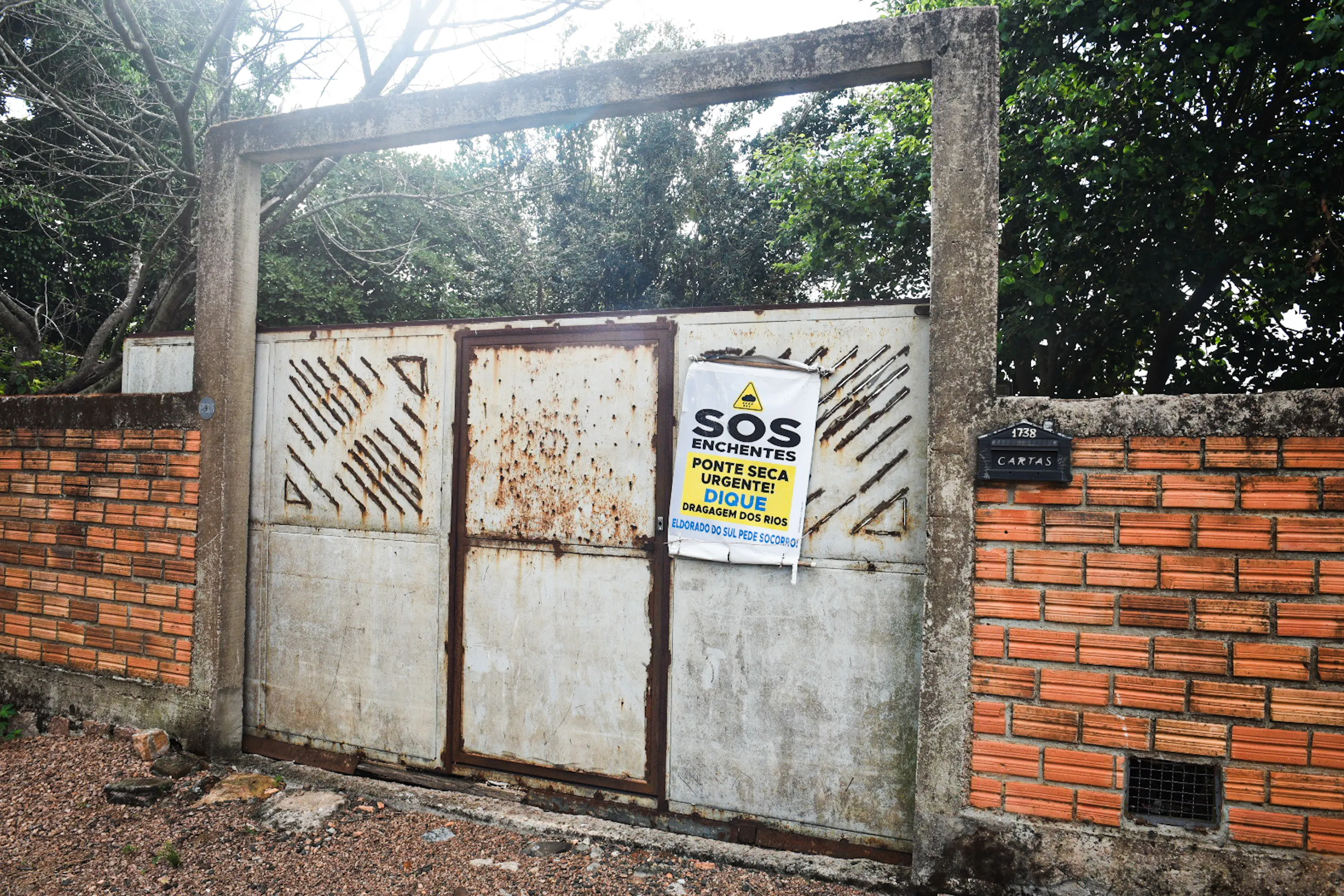
When floodwaters swept through the southern Brazilian state of Rio Grande do Sul in 2024, killing close to 200 people and affecting over 2 million more, the municipality of Eldorado do Sul was the hardest hit.
Nearly 81% of the city was flooded, submerged, and entire neighbourhoods were forced to relocate. Nearly two years later, for many families, there remains little hope of staying and rebuilding.
Some, like Ursula Silva Pedroso, 48, are still living in a house declared unfit for habitation after being completely submerged. She has been approved for a new home under a public housing programme, but there is no confirmed date for when it will be ready.
For Arisson Freitas, 31, the options are even narrower. Unable to find housing within the compensation offered by the public programme, he is preparing to move more than 80 miles away. His former home — along with the mini-market he ran with his mother — has been reduced to rubble.
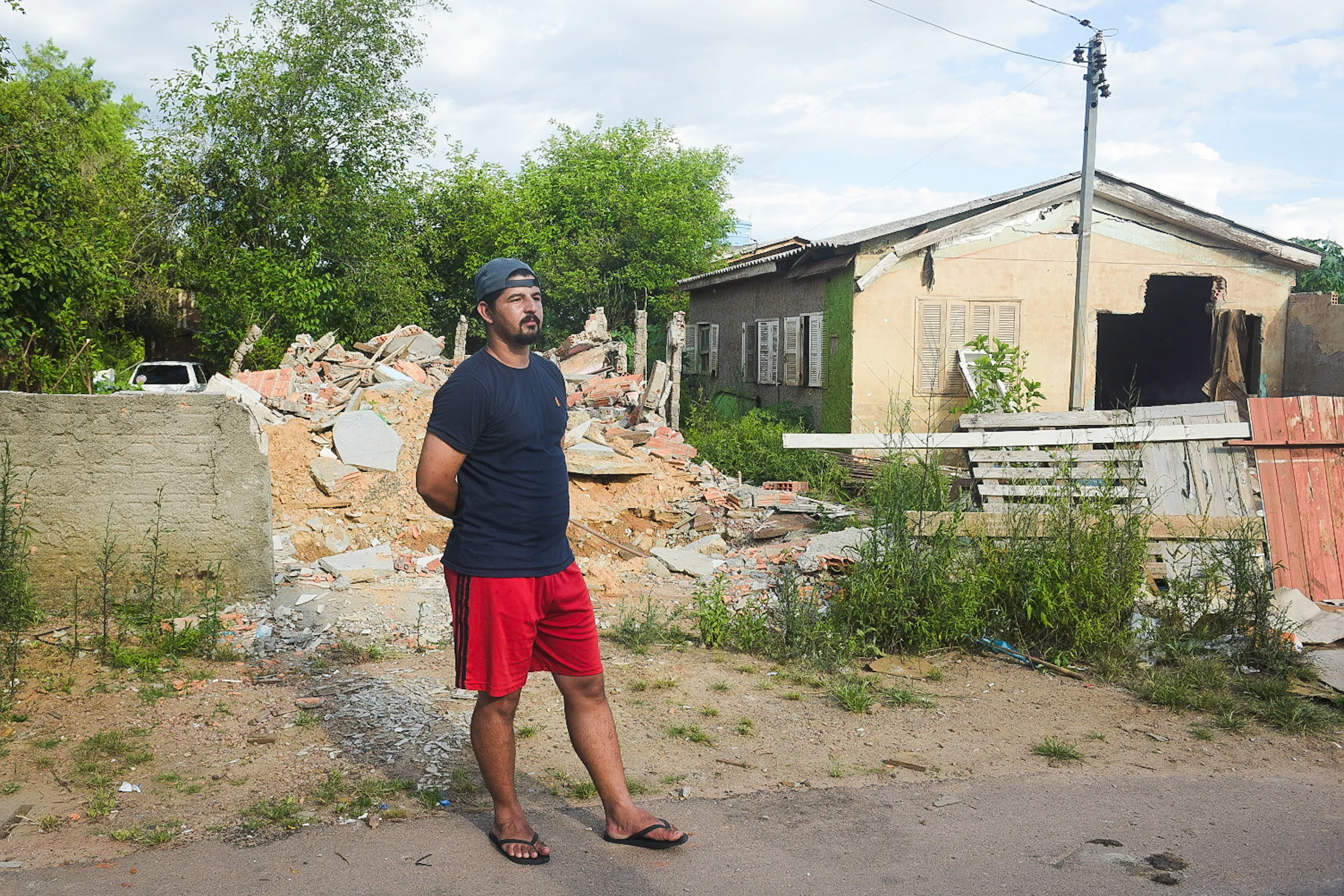
While his mother has secured housing in Eldorado, the move will separate the family. They have temporarily reopened the market across the street, but the area is slated for evacuation due to ongoing flood risks.
"I would like to stay, but it is impossible," Freitas said.
Yet on one of the few plots of land spared by the floodwaters, construction is underway on a hyperscale data center. The planned AI City, developed by prominent Latin American tech company Scala Data Centers, is projected to become the largest in South America, with the first phase alone involving an investment of up to $500 million, and is expected to cost $90 billion upon completion.
In a press release published on the company's website, the site of Scala AI City "was chosen for its proven safety from natural disasters (including climate events), abundant energy supply, and real estate capacity that allows for continuous expansion over decades."
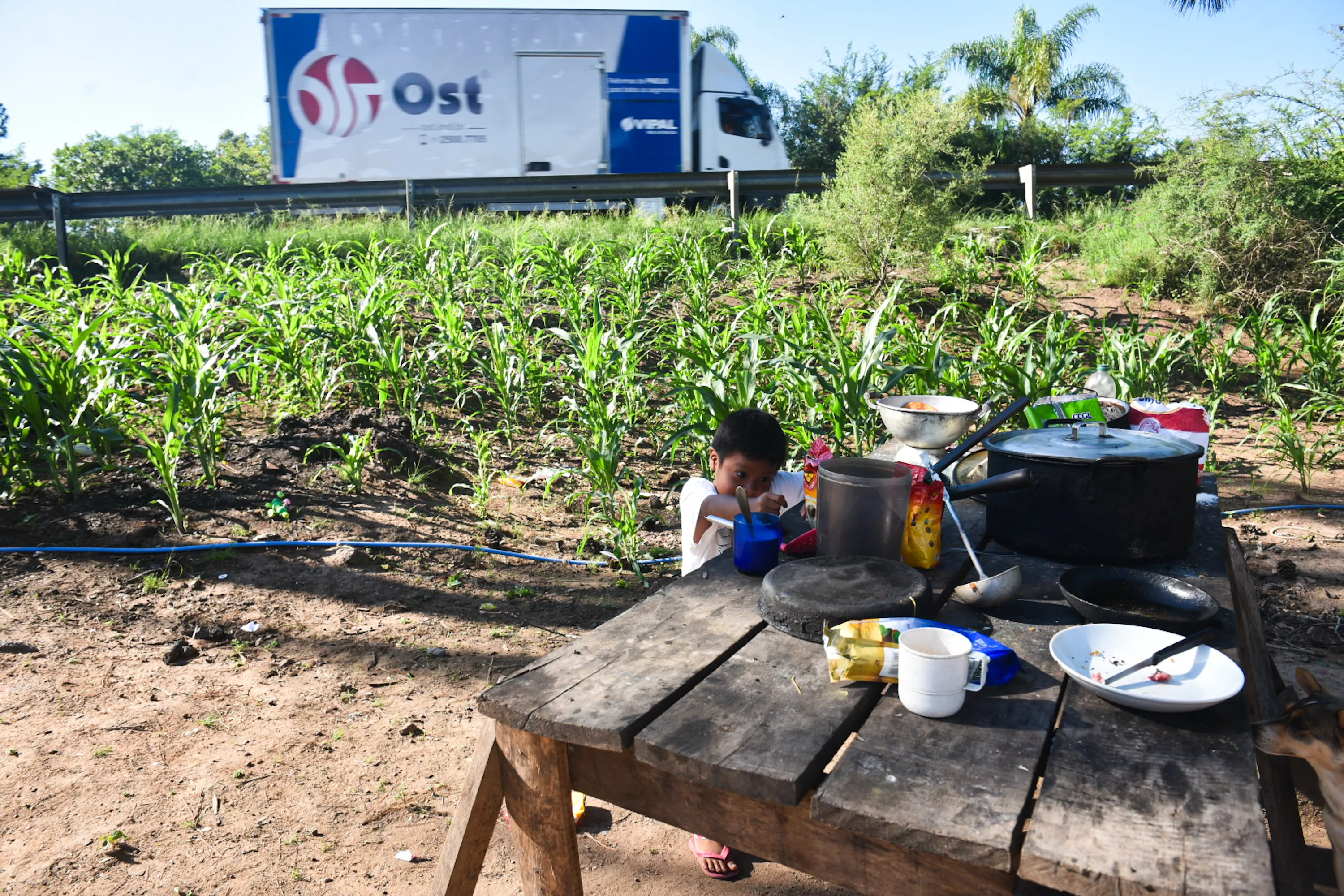
Just under two miles from the proposed data center site, a small Guarani indigenous village is also fighting to remain on safe land. During the floods, the community, led by Cacique (Chief) Estevan Garai, was forced to evacuate their original territory, some distance away, only to return to find their homes destroyed.
But the damage did not come from floodwaters alone. The village was also affected by government excavators tied to a road-duplication project.
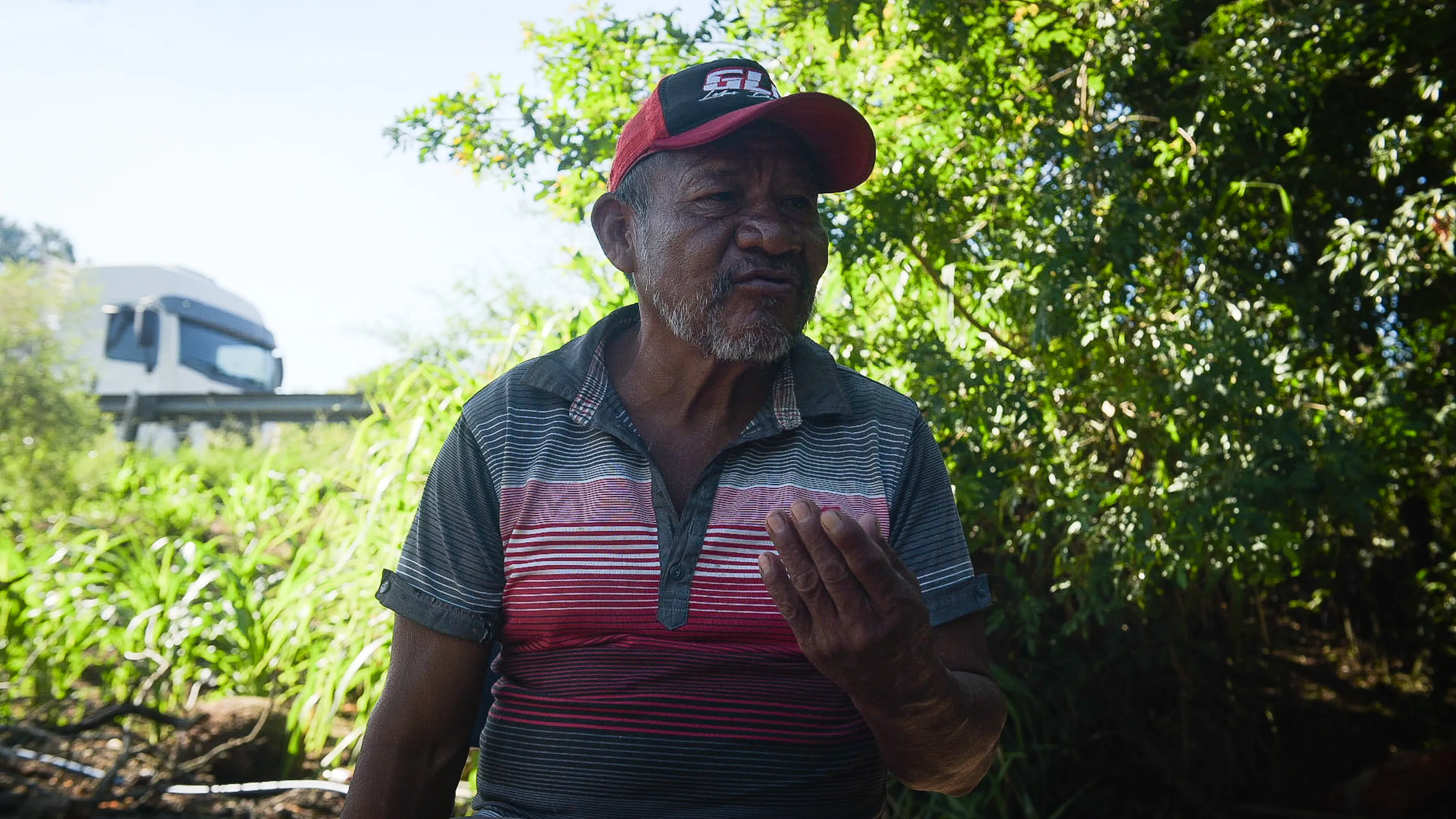
Now living about 1.86 miles from the designated data center site, the community has no guarantee it will be allowed to stay. Asked about their potential new neighbour, Estevan said he was in the dark. "Data center? I wasn't aware."
The tribal chief's plight echoes concerns raised in other countries, where rapid data center expansion has been accused of sidelining local communities. An ERC investigation in India documents the alleged displacement of low-income Dalit families — among India's most vulnerable communities — from their Mumbai township to make way for a new project. In Thailand, residents of Chonburi and Rayong provinces say they have been kept in the dark about planned developments, particularly regarding their potential environmental impact.
Roberto Liegbott, coordinator of Cimi-Sul — an organization linked to Brazil's National Conference of Bishops that defends Indigenous rights — said numerous Indigenous communities in the area affected by the data center are unaware of the project. Brazil is a signatory to International Labour Organization Convention 169, also known as The Indigenous and Tribal Peoples Convention 1989, which requires prior consultation with Indigenous peoples on projects affecting their traditional way of life.
At a nearby Movimento dos Trabalhadores Rurais Sem Terra or Landless Workers' Movement (MST) agrarian reform settlement, eight families have also requested relocation to higher ground.
"Eldorado do Sul has high ground and good soil," claims João Francisco Morais Cardozo, alias Tigre, from the MST settlement.
"What is needed is for the state government to purchase an area the size of the data center and make it available to the municipality to build a university, a health center, and develop a new neighbourhood".
The Rio Grande do Sul government, however, did not respond to questions regarding the relocation of flood-affected families or the situation of the Indigenous community.
Scala said it is taking steps to "enhance resilience" across its infrastructure and mitigate the impact of future natural and climate-related disasters, including flooding.
In its sustainability report, the company said the 2024 floods showed how interconnected climate impacts can affect areas not previously classified as high risk.
"Ripple effects from rainfall and river overflow impact multiple cities, including those with low flood exposure, according to our model projections," it stated. It added that it combines data modelling with qualitative assessments to better understand broader vulnerabilities and indirect impacts.
For Estevan, however, consultation remains the central concern. "It would be important to know more," he said, referring to flood resilience strategies. "But white people never talk to us."